
What is City Pop?
City Pop. The Lost Genre.
Foreword: When I first started in 2015, I was very unaware of many things about this style of music. There were very little resources at the time to create a definitive description of it, so in my poetic-leaning style of writing I tried by best to convey what I thought it was. This led to many people becoming upset with how I was seemingly romanticizing something I knew little about, but after 10 years of working with this style of music I’ve come to understand it much clearer. Today, there are plentiful ways to go about finding information, but back when I was dipping my toes into it, there were depths that needed years of work to truly unravel the true story.
Many people online has called what I wrote as “oriental-fetishism’, and some went as far as to say I was being racist. I took those accusations very seriously because I am nothing of any of that. I have the highest respect for culture and history. It was never my intention to mislead, it was only the fault of the bright eyed enthusiasm of someone who found something that was seemingly lost, and was trying to find a way to explain it to the best of their ability with limited resources in a time when there was almost zero ways to do so.
Today, I work for the Japanese Culture Center of Chicago, learning culture from within and helping it spread sincerely. With a decade’s worth of DJing the vinyl, curating playlists, traveling to Japan, interviewing artists, performing over 150 shows around the world to showcase the sounds… this music has become most important part of my life, and I have come to understand it better I did than 10 years ago.
That being said…
City Pop. The Lost Genre. Music built around the 1970's and 1980's promise of a bright future, modern cities, new technology, economic growth, and lifestyles that suddenly seemed possible. It wasn't really one genre so much as an amalgam of many other styles, brought together under an increasingly urban and commercial idea of what Japanese pop music could be. Funk, disco, R&B, soul, jazz fusion, soft rock, AOR, boogie, electronic music, and New Music all found their way into the mix.
The result was highly polished commercial music. Champagne synths, intricate chord progressions, sharp guitar and bass lines, elaborate arrangements, studio musicians playing with almost absurd precision, and catchy English phrases dropped into otherwise Japanese songs. It could sound expensive. It could sound futuristic. Sometimes it could sound almost impossibly clean.
And then there is that strange feeling when you hear it for the first time.
Memories flood your mind. Are they your memories? Maybe not. Maybe it's just because so much of the music was built from sounds that were already circulating internationally. The listener might recognize pieces of Steely Dan, Michael Jackson, Earth Wind & Fire, disco, American AOR, soul, jazz, or whatever happened to be coming through the radio and record stores at the time. Japanese musicians weren't working in isolation. They were listening to Western music, studying it, playing it, arranging it, and incorporating those ideas into their own music.
This is probably part of the reason City Pop can feel familiar even when you don't understand the language.
You may have never heard the song before, but you've heard the musical vocabulary before.
There is an undeniable element of familiarity to it. Not because the music is some kind of sonic time machine, but because the musicians who made it were participating in the same international musical culture as everyone else. The difference is what happened when those influences were filtered through Japanese musicians, producers, arrangers, record companies, technology, and audiences.
Much of this music was being made during a period of enormous economic and technological change in Japan. The country was becoming wealthier, cities were changing, consumer culture was expanding, and new technologies were changing how people listened to music. FM radio, cassette decks, the Walkman, car stereos, synthesizers and increasingly sophisticated recording equipment all became part of the environment in which this music existed.
And the music reflected that environment.
Cars. Highways. Apartments. Hotels. Beaches. Restaurants. Nightclubs. Shopping. Romance. Travel. Alcohol. Summer. The city at night. The city in the morning. The fantasy of being young, successful, and free in a rapidly changing Japan.
It wasn't necessarily all optimism. Nostalgia was there too. Researchers looking at City Pop lyrics have found that the "city" itself could represent both prosperity and nostalgia, with the imagery changing as Japan's urban landscape and society changed.
But then we get to the question that always comes up.
Why is it called City Pop?
This is where things get complicated.
City Pop was never a clearly defined genre in the way that punk or heavy metal might be. Even in Japan, the term has had different meanings at different points in time. Academic research into Japanese music publications has shown that the idea of City Pop was repeatedly recontextualized from the late 1970's through the 2000's and beyond.
In other words, some of what we now call City Pop wasn't necessarily sitting in a record store in 1982 under a big sign that said CITY POP.
It was just music.
And this is probably the most important thing to understand about the genre.
City Pop is partly a musical category and partly a category created by hindsight.
The term emerged around the same period as the music itself, but its modern meaning was shaped over decades as journalists, collectors, critics, record stores, reissue companies, and eventually the internet began grouping together artists and records that had originally existed across different musical categories.
This helps explain why there are so many arguments about what is and isn't City Pop.
Is it the instrumentation? The production? The lyrics? The imagery? The time period? The city? The influence of Western music? The presence of a particular kind of chord progression?
The answer is probably all of these things, and none of them completely.
Which brings us to another question.
Why do they sing parts in English?
There are plenty of reasons, and there isn't one universal answer. English was already deeply embedded in Japanese popular music and advertising, and using English could communicate an international, fashionable, or cosmopolitan feeling. It also simply sounded good. A few English words could change the rhythm and texture of a chorus without requiring the entire song to be written in English.
This wasn't unique to City Pop. Japanese popular music had been incorporating Western musical and linguistic influences long before the term City Pop appeared.
And that is really the story.
Not mysterious Japanese music that somehow appeared from nowhere.
Not Japanese musicians simply copying America.
Something much more interesting happened.
Japanese musicians took the sounds that were circulating around the world and made them their own.
They had access to extraordinary musicians, increasingly sophisticated recording technology, ambitious producers, massive record companies, and an audience living through one of the most significant periods of economic transformation in modern Japanese history. The music that came out of that environment could be polished, excessive, romantic, commercial, experimental, strange, beautiful, or sometimes all of those things at once.
Then the bubble burst.
The economic world that had helped create the culture around City Pop changed dramatically, and the musical landscape changed with it. By the end of the 1980's and into the 1990's, the musical trends and technologies surrounding City Pop had begun to give way to other forms of Japanese popular music.
The music didn't disappear.
The audience simply moved on.
For decades, much of this music existed primarily as old records, forgotten catalog titles, secondhand discoveries, and songs remembered by the people who had actually been there. Then the internet came along and began doing something that record stores had been doing for decades, only on an almost incomprehensible scale.
It started connecting people.
A song recorded in Tokyo in 1984 could suddenly be heard by someone in Chicago, London, Los Angeles, Manila, or São Paulo. A record that had been sitting unnoticed in Japan could become a global obsession. YouTube, streaming, sampling, reissues and online communities helped turn City Pop into something much larger than the market it originally came from.
So maybe City Pop isn't really a lost genre.
Maybe it was a genre that was waiting for the rest of the world to catch up with it.
The strange thing isn't that this music sounds like the future.
It's that it was made in the past, about a future that never quite happened.
And maybe that's why it still sounds so good.
If you find any of this interesting please consider signing up to support my years long research project that will become a book that folds the entire story together… for the first time. Learn more below.
— Van Paugam



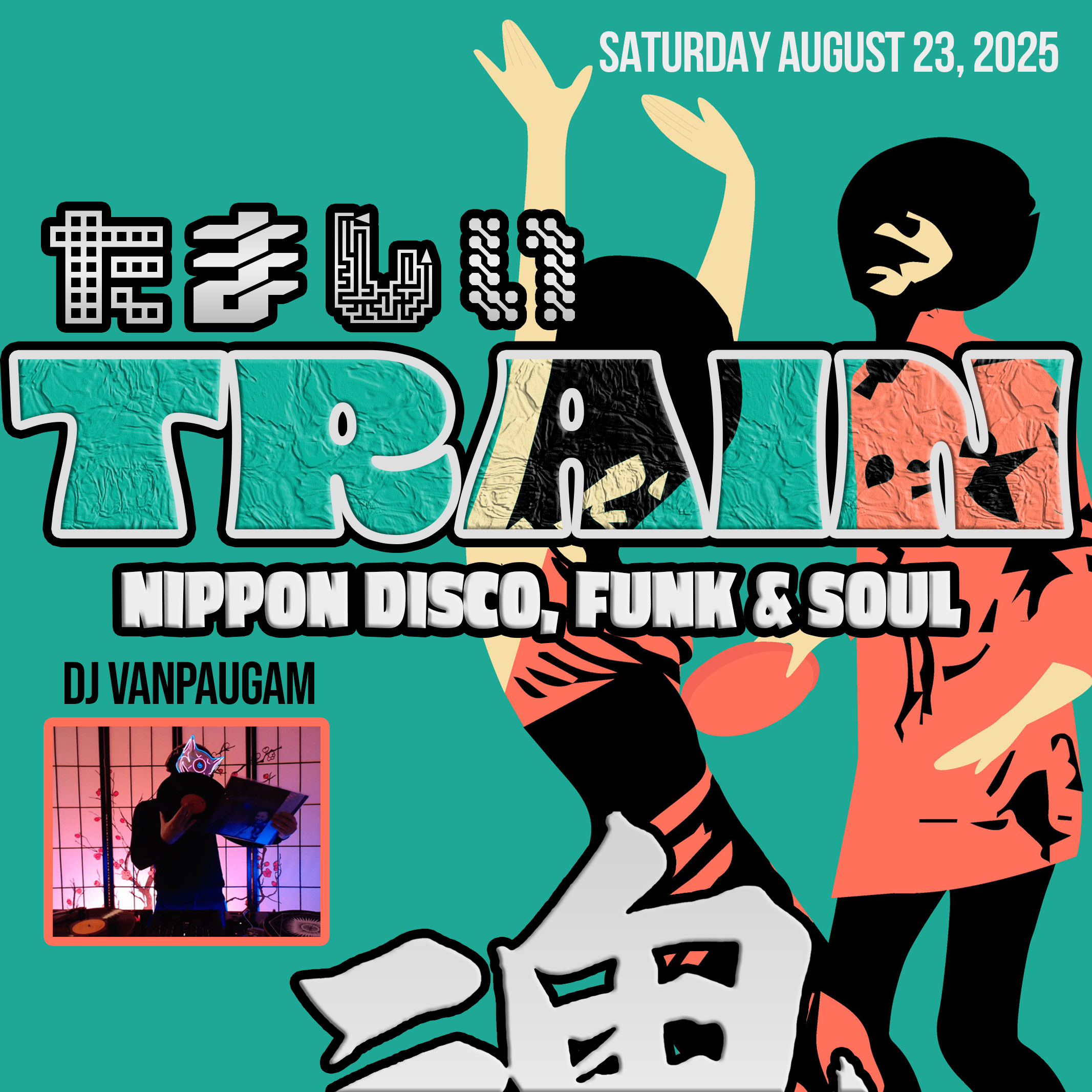


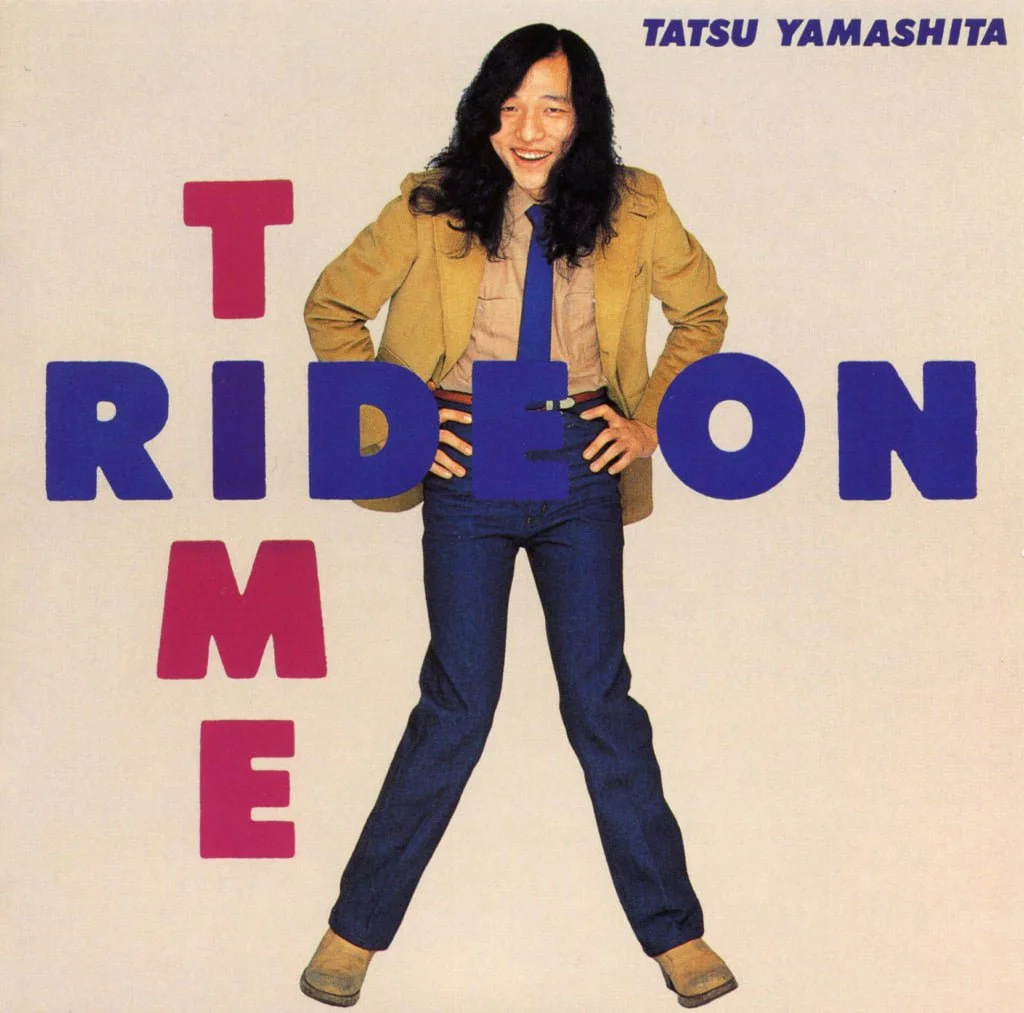

A closer look at the recent copyright takedowns issued by Tatsuro Yamashita, and others, and the war on the online content creators that helped bring City Pop into the global spotlight 40 years after its heyday.